


Have you ever felt "off" or "tired but wired"? It may seem like something isn't quite right mentally or physically. But you may not be able to pinpoint precisely what's going on.
This continuous state of being off isn't just in your head. Feeling "off" may be the result of a hormonal imbalance, often triggered by a disruption to your circadian rhythm.
Your circadian rhythm is your body's natural 24-hour cycle that governs physiological processes, such as when to:
- Wake up
- Eat
- Have energy
- And sleep.
Think of it as the body's built-in schedule that keeps everything running on time.
Your circadian rhythm is controlled by a small area of your brain called the suprachiasmatic nucleus (SCN). The SCN acts as the master clock. It responds to light and dark to release hormones that help you wake up and have energy, as well as hormones that promote sleep.
The master clock in your brain directs the rhythmic release of key hormones. When this rhythm is disrupted, it can have wide-ranging effects on health.
This guide provides a comprehensive overview of the role hormones play in your circadian rhythm, including strategies to promote balance.
What Hormone Contributes to Our Circadian Rhythm?
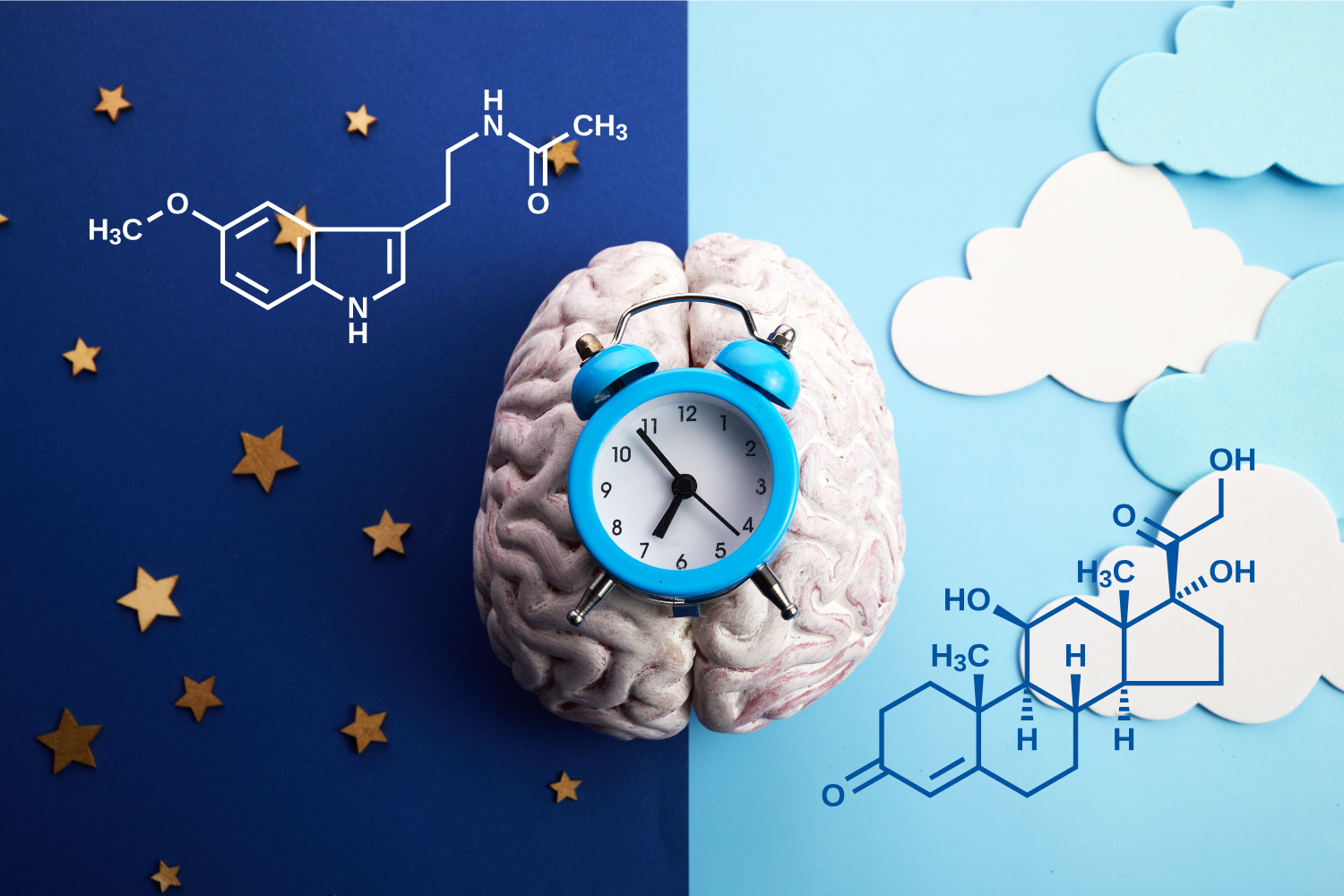
Circadian rhythms and hormones work in tandem. For instance, melatonin and cortisol are two hormones that play crucial roles in regulating the circadian rhythm.
Melatonin: The Conductor of Darkness
Melatonin, commonly referred to as the sleep hormone, plays a crucial role in regulating your internal sleep-wake cycle. Melatonin is produced by the pineal gland, a small structure located in the center of the brain.
The body produces and suppresses melatonin in a rhythmic pattern. When light enters your retina in the morning, it activates the SCN. The SCN then signals the pineal gland to suppress melatonin. This helps you stay awake and become alert.
As the evening darkens, the SCN sends a signal to the pineal gland to release melatonin. The increase in melatonin signals to your body that it is time to prepare for sleep. Production of melatonin peaks during the night so that you can maintain sleep. The rhythmic pattern continues the next morning with exposure to morning light, which quickly suppresses melatonin levels again.
Cortisol: The Wake-Up Call
Cortisol is produced by the adrenal glands. It plays a crucial role in how your body responds to stress, which is why it is known as the stress hormone. Cortisol also boosts energy levels to help you start your day. It prepares your body for a fight-or-flight response, increases blood sugar, and regulates appetite, sleep, and mood.
The release of cortisol also follows a daily rhythm, known as the cortisol circadian rhythm. Your body produces the lowest levels of cortisol in the middle of the night. This allows you to sleep and recover.
Cortisol levels begin to rise as the morning approaches. Levels reach their peak about 30 to 45 minutes after waking up. This sharp increase is referred to as the Cortisol Awakening Response. After the morning increase, cortisol levels decrease throughout the day, finally reaching their low point again at night.
The surge in cortisol is crucial in providing your body with the energy it needs to begin the day.
Under healthy conditions, cortisol follows a predictable rhythmic pattern, characterized by:
- Low levels at night
- Rising before waking
- And then peaking.
However, if you're under chronic stress, have irregular sleep patterns, or work night shifts, it can lead to increased production. Cortisol can then be released at inappropriate times and more frequently. Over time, the continued disruption of cortisol can cause the cortisol curve to flatten. This may lead to constant fatigue or elevated levels at night, resulting in disrupted sleep.
The Wider Hormonal Symphony: Beyond Sleep and Stress
The connection between the circadian rhythm and hormones extends beyond stress and sleep. It can also affect other bodily functions, including metabolism and reproduction.
The Metabolism Connection: Insulin, Leptin, and Ghrelin
Insulin
Insulin, which is produced by the pancreas, helps regulate blood sugar levels in your body. Insulin sensitivity also follows circadian rhythm. This means that it naturally fluctuates over 24 hours and is in sync with your circadian rhythm.
Insulin sensitivity peaks in the morning. This allows you to move insulin from your bloodstream into your cells for energy. Throughout the day, insulin sensitivity gradually declines, reaching its lowest point at night.
When you eat late at night, your body is not ready to process food well. This creates a mismatch between your eating time and your body's needs. This is referred to as a "metabolic mismatch".
Naturally, insulin sensitivity declines at night. This means that glucose from late-night eating remains in your bloodstream longer instead of being used by liver or muscle cells. Metabolic mismatch can increase your risk of weight gain and metabolic disorders such as type 2 diabetes.
Leptin and Ghrelin
Leptin and ghrelin are known as the “hunger hormones” because they affect your appetite. Ghrelin is the hormone that stimulates hunger and rises before meals, and is suppressed by sleep. It signals hunger to your brain.
Leptin is the satiety hormone. It is secreted in response to food intake and signals to your body that you are full, suppressing appetite.
Proper circadian rhythm function and sleep can influence the balance of these two hormones. For example, if you have a circadian rhythm mismatch, ghrelin levels can increase and remain elevated.
At the same time, leptin levels decrease. This can lead to increased hunger and a reduction in satiety. The result may be increased cravings for unhealthy foods and a tendency to overeat.
The Reproductive System: Sex Hormones
Sex hormones, including progesterone, testosterone, and estrogen, follow daily patterns of production and secretion associated with your circadian rhythm. This rhythm depends on regular sleep and exposure to light.
Male Hormones
Testosterone usually peaks in the early morning and gradually declines into the afternoon and evening. Poor sleep or circadian rhythm dysfunction can decrease testosterone levels, possibly resulting in a decline in libido and fertility.
Female Hormones
Circadian rhythms also impact the menstrual cycle. For example, luteinizing hormone typically increases in the early morning, triggering ovulation. Since the circadian rhythm helps coordinate daily hormonal rhythms, it can affect ovulation, hormone production, and eventually fertility function.
Research indicates that out-of-sync circadian rhythms can negatively impact hormonal health and fertility in both men and women.
A 2025 research article covered the impact of night or rotating shift on hormonal production. The article evaluated several retrospective studies that identified an adverse relationship between night shift work and fertility indicators.
The article found that females who worked night or rotating shifts experienced circadian disruption. These shifts lead to lower nighttime melatonin levels and subsequently a dysregulation of the pituitary-ovarian axis. The study found that women who worked night shifts had more menstrual irregularities compared with women who worked day shifts. These irregular menstrual cycles can lead to possible ovarian dysfunction and fertility issues.
Disruptions in the circadian rhythm and their impact on hormonal health and fertility affect not only females. Working the night shift can also affect a male's fertility.
A 2025 systematic review and meta-analysis published in the journal Endocrine involved eight studies that examined semen profile and testosterone levels in night shift workers and non-shift workers. Researchers concluded that night shift workers had lower sperm counts when compared to non-shift workers.
Strategies to Realign Your Hormonal Clock
There are several steps you can take to help realign your hormonal clock, as listed below.
Lifestyle Interventions
Light Exposure
Exposing yourself to light shortly after waking helps suppress melatonin and increase cortisol levels. This can help you feel more awake and increase your energy levels. Aim to get outside and get sunlight exposure within the first hour of waking up in the morning. Try to get about 10 minutes of sunlight exposure on a sunny day and about 30 minutes on a cloudy day.
Consistent Sleep Schedule
Waking up and going to bed at the same time every day, including weekends, helps your natural internal clock. A consistent sleep-wake schedule trains your brain’s master clock to predict when to release cortisol in the morning and melatonin at night. This results in better sleep.
Timed Eating
Your ability to utilize calories properly, insulin sensitivity, and digestion peak during daylight hours. Aligning your mealtimes with daylight helps nutrients metabolize more effectively and maintains balanced blood sugar levels. Additionally, avoid late-night eating, as it can adversely affect both your metabolic health and your circadian rhythm.
The Role of Light Therapy
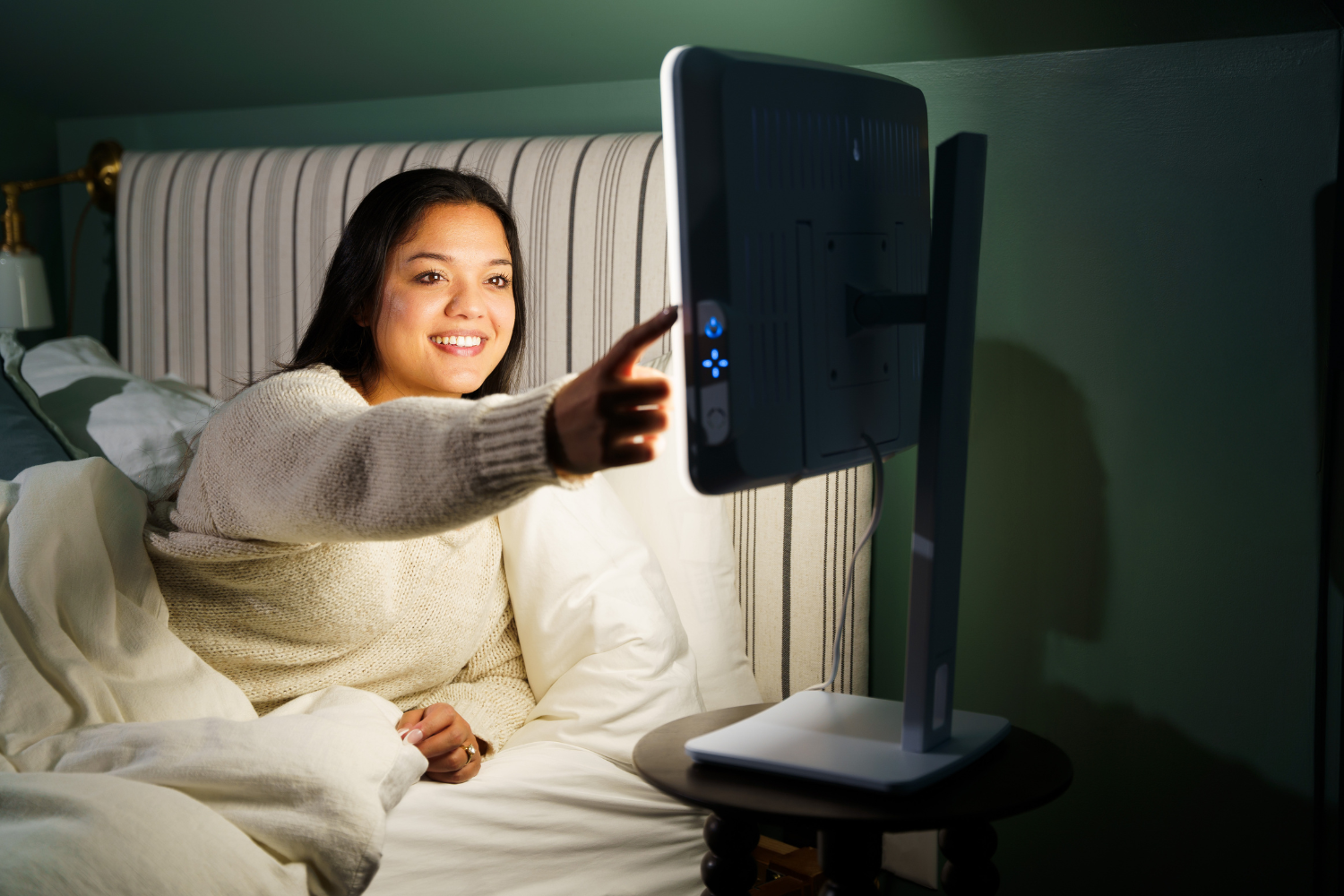
Light therapy can be a powerful tool for individuals with a misaligned circadian rhythm. Light therapy can simulate exposure to sunlight in the morning, providing bright light cues at the optimal time.
The timing of light exposure in the morning helps regulate cortisol and melatonin cycles, maintaining proper hormonal balance.
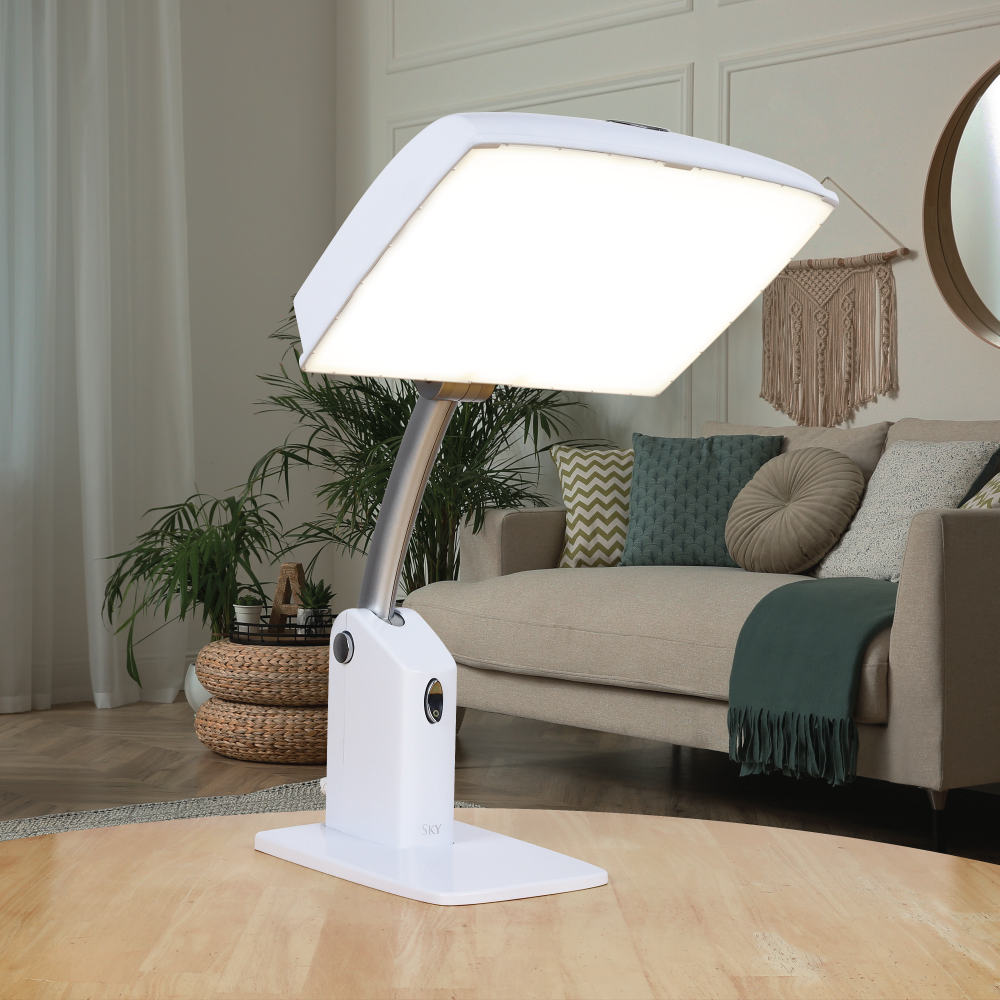
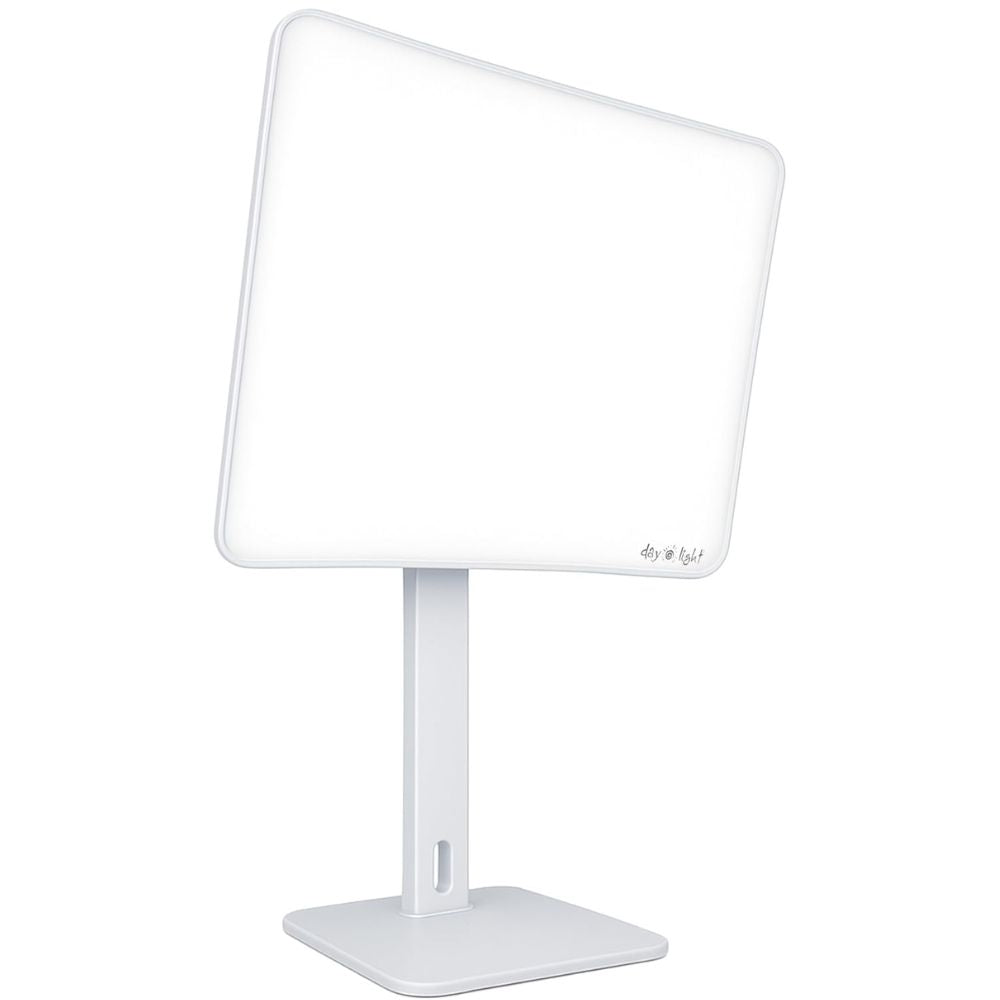
It is essential to select the correct light therapy device to get optimal results. Look for a light that emits 10,000 lux to mimic natural sunlight.
Day-Lights.com offers a range of lamps designed to provide bright light therapy, helping to align your circadian rhythm.
Conclusion: A Holistic View of Health
Your circadian rhythm may play a role in influencing your:
- Stress levels
- Insulin sensitivity
- And even reproductive hormones and fertility.
A healthy circadian rhythm is the foundation of hormonal balance and overall well-being.
Light exposure is the most powerful cue to set your internal clock and regulate energy, sleep, and hormonal balance. Developing strategies to prioritize sleep and light exposure is a simple yet powerful way to positively influence hormonal health.
If you can't always get outside first thing in the morning, light therapy is a safe way to replicate the benefits of morning sunlight.





Leave a comment
All comments are moderated before being published.
This site is protected by hCaptcha and the hCaptcha Privacy Policy and Terms of Service apply.