Have you experienced a day when your alarm goes off, you hit the snooze three times, and have to drag yourself out of bed? By mid-afternoon, you're reaching for coffee just to get through the rest of the day. The clock may say 2:00 in the afternoon, but your body feels like it is 10:00 at night. That out-of-sync feeling may be due to a circadian rhythm disorder.
A circadian rhythm sleep disorder occurs when your body’s 24-hour internal clock is not in sync with the world outside. In other words, the time your body wants you to sleep doesn’t match the schedule you need to follow for work, school, or daily life. This mismatch makes it hard to fall asleep, stay asleep, or feel alert at the correct times.
Circadian rhythm sleep disorder is not just a matter of bad habits, such as staying up too late or pulling an all-nighter. CRSDs are recognized medical conditions that, if left untreated, can have serious health and safety consequences.
Statistics vary on the incidence of circadian rhythm sleep disorders in the general population. Several survey studies indicate that up to 3% of the adult population is affected by circadian rhythm sleep disorder. That rate is even higher in some groups, such as shift workers. Some researchers also believe this incidence of CRSD may be even higher since it is sometimes confused with insomnia.
The more you learn about circadian rhythm disorders, the better you can manage and start effective treatment. To learn more about the basics of circadian rhythm, please check out this Day-Lights.com article on What is Circadian Rhythm? Everything to Know.
What Are Circadian Rhythm Sleep Disorders?
Your circadian rhythm tells your body when to sleep, wake, feel alert, have energy, eat, and more. This cycle follows a typical 24-hour pattern, aligned with the daytime and nighttime periods. Circadian rhythm sleep disorders develop when there is a misalignment in the timing of sleep.
The Core Problem: Misalignment
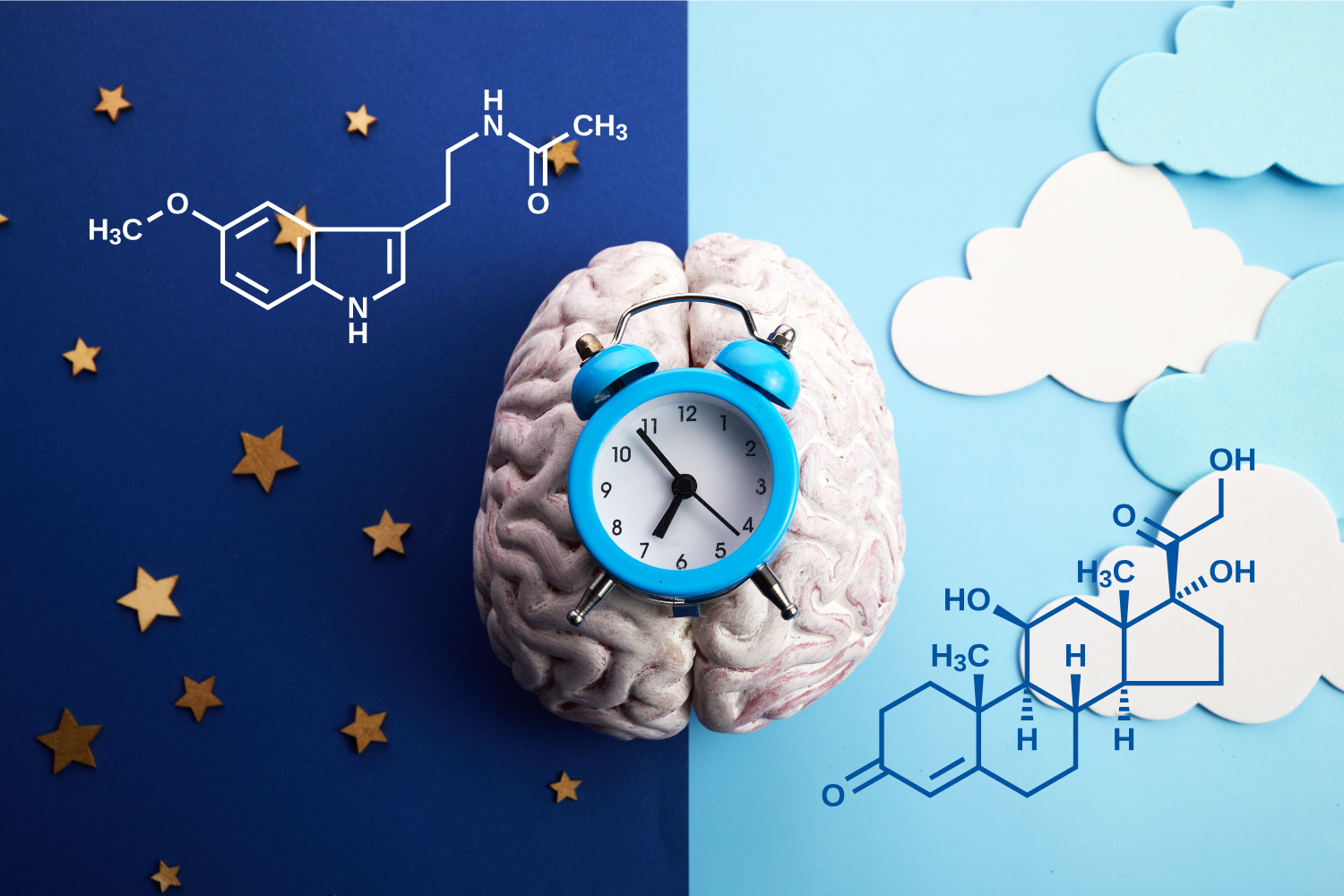
Your circadian rhythm is regulated by the suprachiasmatic nucleus (SCN), which is your body’s master clock. The SCN is an area in the brain that sends signals to the body to:
- Produce cortisol
- And suppress the secretion of melatonin.
Both hormones are vital to the sleep/wake cycle.
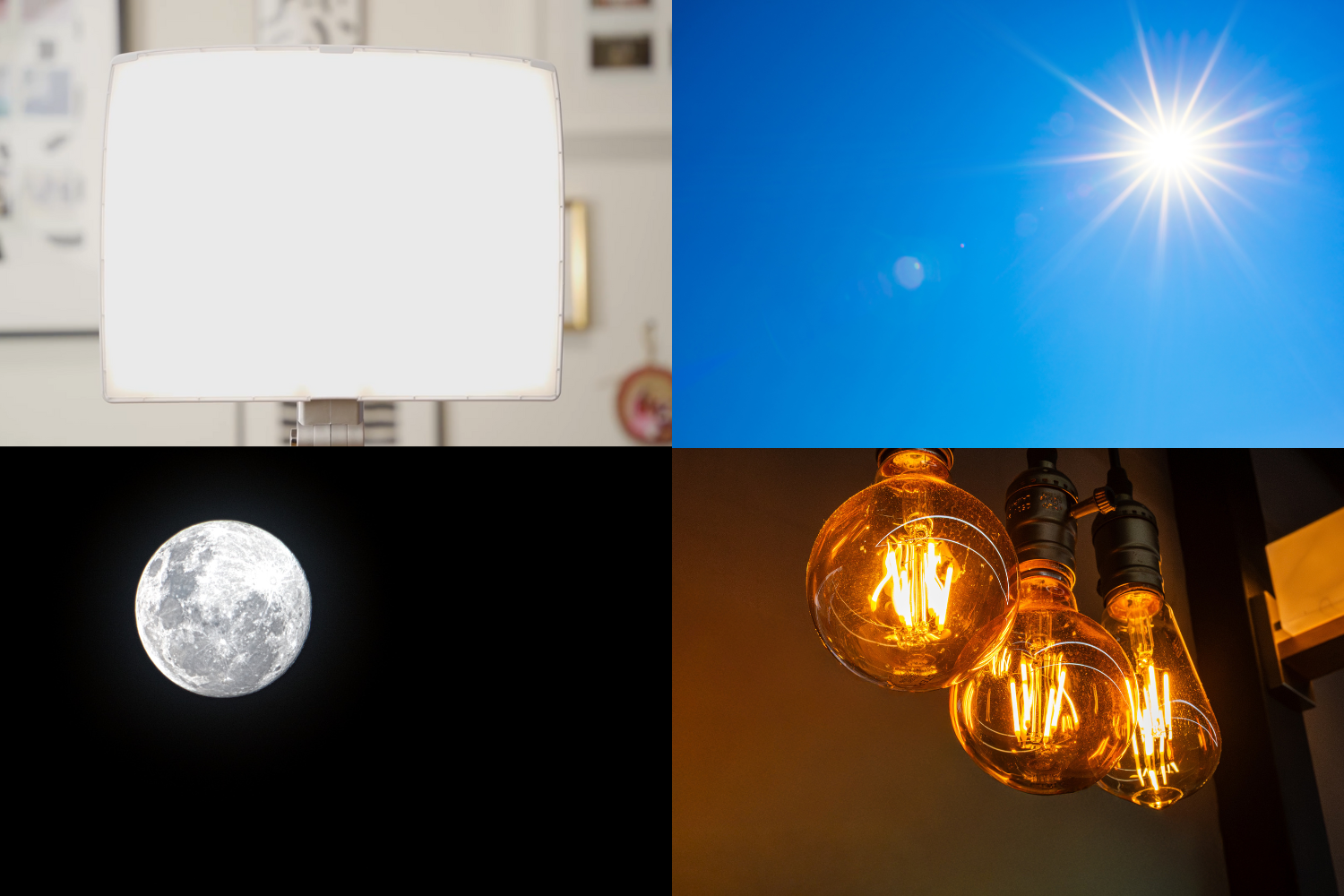
Your circadian rhythm and SCN need regular cues from the environment to stay in sync or aligned. These external cues are referred to as zeitgebers, which is a German word for “time givers”. The external cues include light, meals, and exercise. The cues help synchronize your internal 24-hour clock with the outside world.
Without the signals from the environment, a circadian rhythm disorder may develop. This causes your internal clock to become mismatched with the external environment. Your brain may signal that it's time to wake up or time to sleep, but this occurs at the wrong times compared to your social, school, or work schedule.
The 6 Main Types of Circadian Rhythm Disorders
The six main types of circadian rhythm disorders are listed below.
Delayed Sleep-Wake Phase Disorder (DSWPD)
This is the most common form of circadian sleep disorder. It develops when your internal clock runs significantly later than the typical day/night schedule. Symptoms include:
- Falling asleep very late, such as at 2 or 3 a.m.
- And difficulty waking up at a conventional time.
People with DSWPD can often sleep normally when they fall asleep. However, the timing of sleep does not align with conventional schedules for work or school responsibilities.
Advanced Sleep-Wake Phase Disorder (ASWPD)
This circadian rhythm disorder is characterized by an early morning awakening pattern. People with ASWPD fall asleep and awake much earlier than typical sleep/wake times. They may fall asleep as early as 6-9 p.m. and wake naturally as early as 2-4 a.m., even if they want to sleep later. Although someone with ASWPD may sleep well, their sleep schedule is significantly out of sync with conventional times.
Shift Work Disorder (SWD)
SWD develops when there is a mismatch between an individual's natural circadian rhythm and their work schedule. This can occur from as night or rotating shifts.
Your internal clock is naturally designed to stay awake in the day and sleep at night. Working nights or rotating shifts can disrupt the natural cues, impairing circadian rhythm. Symptoms may include difficulty falling asleep after work, trouble staying asleep, and excessive daytime sleepiness.
Jet Lag Disorder
This is a temporary circadian rhythm disorder that occurs when traveling across multiple time zones quickly. Your internal clock cannot adjust rapidly to the new light/dark, sleep, and meal schedule. So, your body is still on your "home time", but your new environment differs. Symptoms may include feeling groggy and fatigued.
Irregular Sleep-Wake Rhythm Disorder (ISWRD)
This sleep disorder occurs when an individual has no consistent or clear sleep schedule. Sleep is fragmented and disorganized, and is often associated with neurological conditions such as:
- Dementia
- Parkinson's disease
- And brain injuries.
Symptoms include taking short naps, multiple short naps per day, difficulty maintaining nighttime sleep, and experiencing very light sleep.
Non-24-Hour Sleep-Wake Rhythm Disorder (Non-24)
Non-24 occurs when an individual's internal body clock operates at a rate longer than 24 hours. A person with non-24-hour sleep-wake syndrome is unable to synchronize their circadian rhythm to a 24-hour cycle. It most commonly occurs in individuals with total blindness because the light signals aren't regulating their circadian rhythm. Symptoms may include extreme insomnia and excessive daytime sleepiness.
Causes and Risk Factors
There are several potential causes of circadian rhythm sleep disorders, including those listed below.
External and Behavioral Causes
Occupation
The occupation you have may affect the hours of the day that you need to be awake and work. For example, shift work is the leading cause of SWD. According to the Bureau of Labor Statistics, approximately 16% of US wage and salary workers have non-traditional schedules. This includes rotating shifts and nights.
A 2023 research article found that about 27% of shift workers develop sleep problems, which evolve into SWD.
Travel
Individuals who travel across time zones may experience jet lag. This is due to a mismatch in their circadian rhythms between their home environment and the new time zone.
Lifestyle
Poor sleep habits can affect your sleep. For example, using bright lights at night and having irregular sleep times can disrupt your sleep cycle.
Internal and Biological Factors
Genetics
Lifestyle alone does not entirely determine circadian rhythms. There appears to be a genetic factor that determines whether someone is a "morning lark" or a "night owl." These genetic tendencies are referred to as chronotypes. They play a crucial role in regulating the timing of our circadian rhythm.
Specific gene mutations may also increase the risk of developing circadian rhythm sleep disorders. For example, a well-known example is the gene mutation PER2, which may cause ASWPD.
Age
Age can also influence natural shifts in the circadian rhythm. For instance, during adolescence, a teen's internal clock may shift later. They may not feel sleepy until later in the evening, such as midnight. Teens may also want to sleep later in the morning because their melatonin levels stay elevated.
On the other hand, older adults gradually shift their circadian rhythm, going to sleep earlier. This is possibly due to weaker melatonin production.
Medical Conditions
Various types of neurological conditions, including dementia and brain injury, along with blindness, may disrupt the body's internal clock.
Your 24-hour circadian rhythm relies on the complex interplay of hormones, brain structures, and environmental cues, particularly light signals. Some neurological diseases, including dementia and Parkinson's disease, can interfere with these interactions.
How a Doctor Diagnoses and Treats Circadian Rhythm Disorders
Circadian rhythm sleep disorder doctors use a combination of the following to help diagnose circadian rhythm disorder.
The Diagnostic Process: From Journal to Lab
A visit to a sleep specialist starts with the doctor taking a detailed medical and sleep history. This provides information about possible contributing factors to sleep issues and schedules. Additional diagnostic tools include:
Sleep Diary
It is essential to keep a detailed sleep log for one to two weeks to help identify patterns. You can use a sleep tracking app, data from a smartwatch, or a written sleep diary. Various downloadable sleep diary templates are available, including this one from the Centers for Disease Control and Prevention.
In a sleep diary, you may track:
- Sleep attempt time
- The time you fell asleep
- Sleep duration
- Night awakenings
- Light exposure
- Alcohol and medication intake
Actigraphy
This involves wearing a small device on your wrist for one to two weeks that measures sleep/wake cycles. It measures movement, light exposure, and sleep-wake patterns.
Polysomnography
Polysomnography is a sleep study conducted overnight to help identify sleep disorders, such as sleep apnea. It records:
- Breathing
- Heart rate
- Oxygen levels
- Brain waves
- Eye movements
- And muscle activity.
When it comes to CRSDs, polysomnography can help rule out other sleep disorders that commonly disrupt sleep.
Primary Treatment Methods
Primary treatment options for circadian rhythm sleep disorders include the following:
Light Therapy
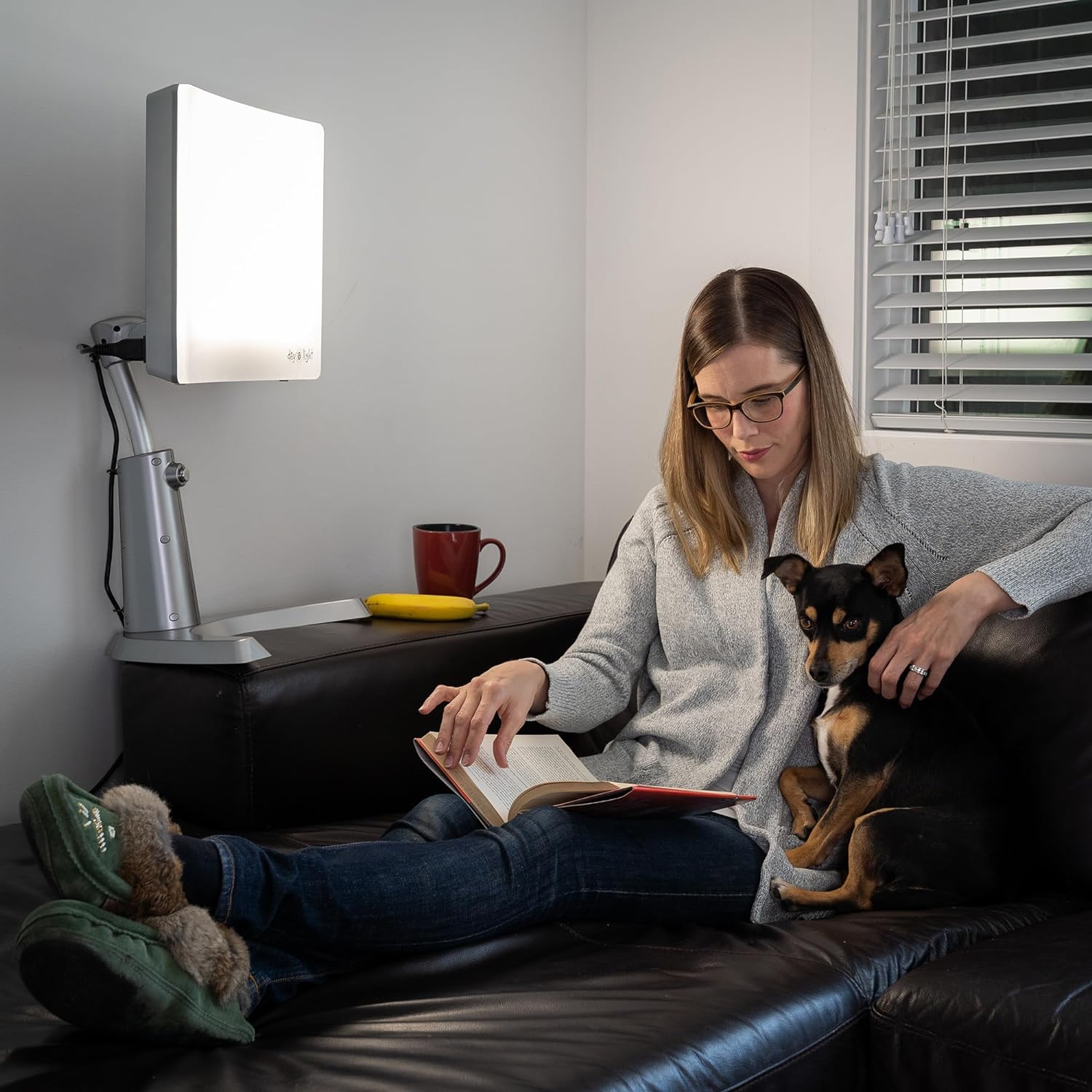
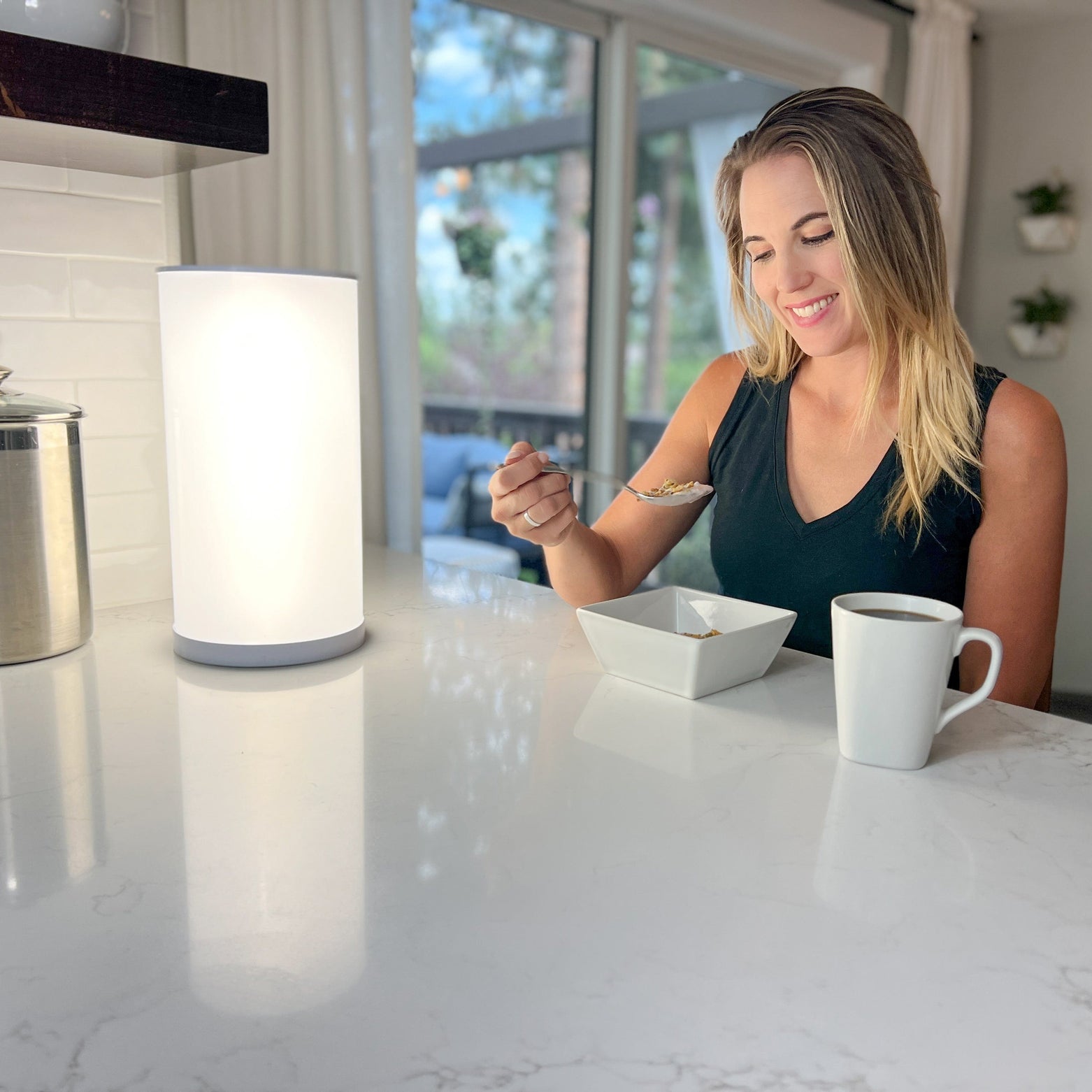
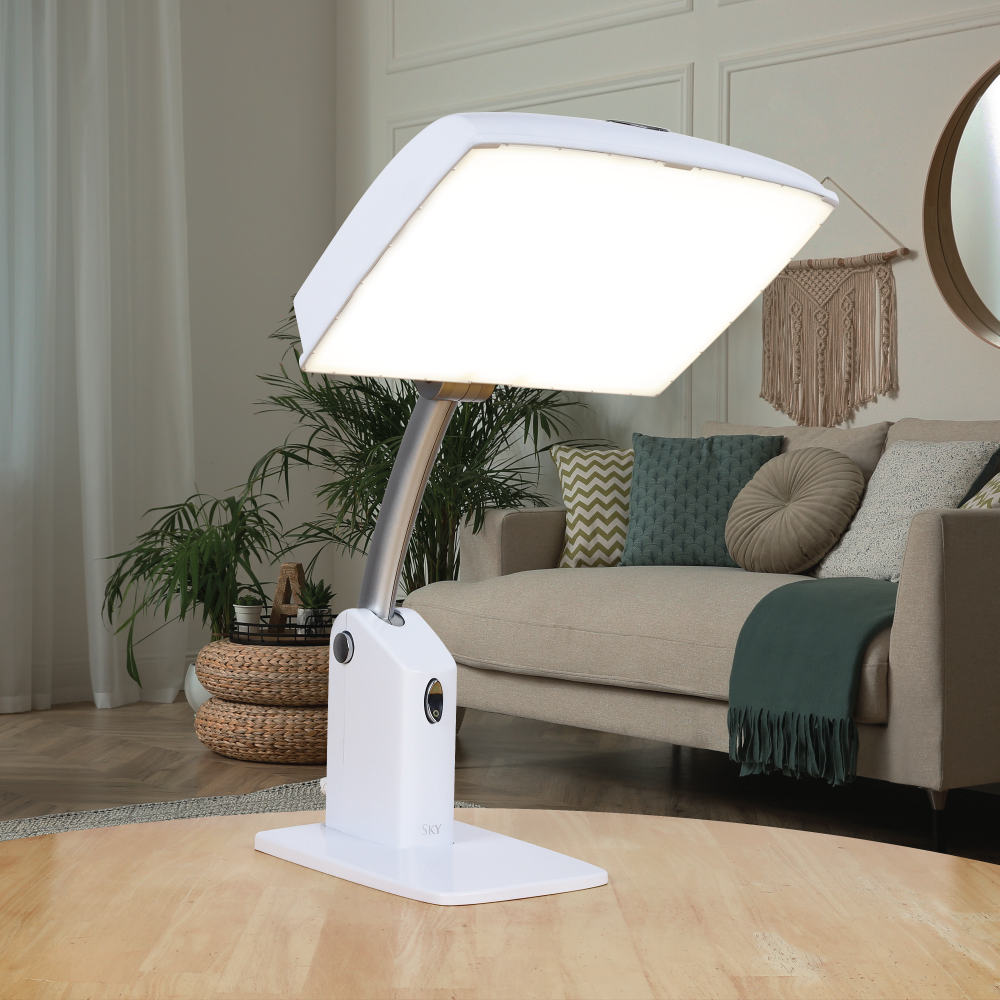
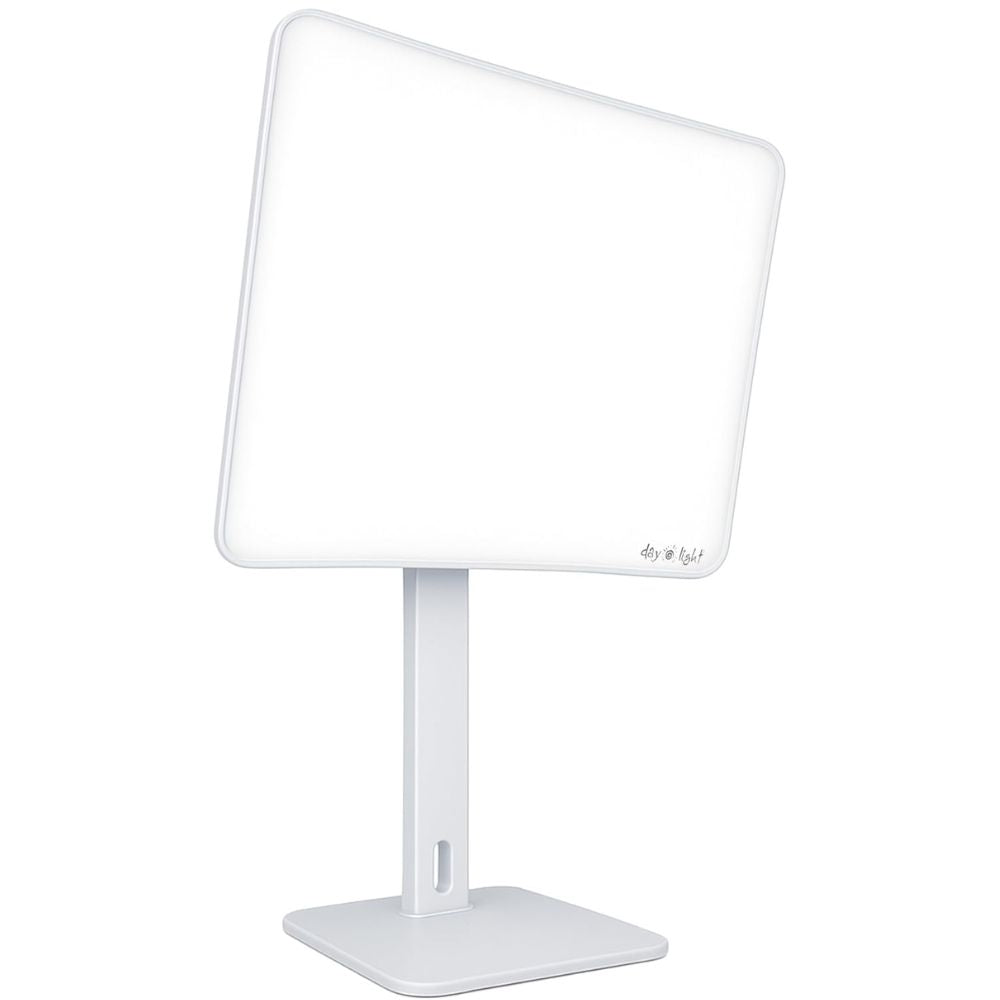
Light therapy is the gold standard for treating many circadian rhythm sleep disorders. Timed light exposure using a light therapy lamp can send a signal to the SCN, resetting it to shift sleep in the desired direction. By resetting the SCN, the hormonal production can be suppressed or stimulated to help correct CRSDs.
“Bright light therapy is used to manage circadian rhythm disorders such as delayed sleep phase syndrome … the timing of light exposure is critical.” — Eric C. Alcera, M.D. Hackensack Meridian Health
Examples of using light therapy for specific disorders include:
- Morning light exposure for DSWPD
- Evening light exposure for ASWPD
- Morning light exposure for ISWRD
Check out a variety of bright light therapy lamps at Day-Lights.com.
Melatonin
Melatonin is a hormone that the body releases in the evening, signaling the body's readiness for sleep. It is also available as a supplement. Low-dose melatonin, ranging from 0.3 mg to 1 mg, mimics the natural rise in melatonin without causing drowsiness.
The timing of melatonin is crucial to achieve the desired results. Taking melatonin in the early evening helps reset the body's internal clock earlier. Taking it late at night helps shift the clock later. Keep in mind, melatonin is not regulated by the FDA and should only be taken under a doctor's supervision.
Chronotherapy
This type of behavioral therapy helps reset the body's clock. It achieves this by gradually adjusting sleep and wake times. You slowly shift your sleep/wake time until you research your desired schedule.
Lifestyle and Sleep Hygiene
A healthy lifestyle and good sleep hygiene habits can also help promote a healthy circadian rhythm. This includes:
- Maintaining a consistent sleep-wake time
- Avoiding caffeine and alcohol
- Creating a sleep environment that is cool, dark, and quiet
- Engaging in relaxing activities before bed, such as listening to music or reading
- Avoiding heavy meals too close to bedtime
Conclusion: Taking Control of Your Sleep
Circadian rhythm disorders are genuine sleep issues that can disrupt proper sleep and negatively impact quality of life. But they are treatable. The first step is to recognize the signs and seek professional help.
When you work to align your body's clock with light therapy, good sleep habits, and healthy choices, it can be a life-changing experience. Realignment of your sleep/wake cycle does not just improve sleep. It rebuilds the foundation for your mood, energy, and overall health.
It is time to take charge of your health and resync your internal clock. Explore the light therapy options at Day-Lights.com. These tools can help manage CRDS symptoms and improve your sleep health.



Leave a comment
All comments are moderated before being published.
This site is protected by hCaptcha and the hCaptcha Privacy Policy and Terms of Service apply.