Have you ever noticed that some lights seem brighter than others, even if they have the same wattage? This difference is often due to LUX, a unit that measures perceived brightness.
LUX is the central metric, or unit of measurement, used to quantify how bright or intense a light is. Specifically, LUX measures the amount of light (illuminance) that falls on a surface area, with one LUX representing one lumen per square meter.
LUX is a critical factor when using light therapy. To achieve a therapeutic effect on sleep and mood, a specific LUX level is required to reach the eyes. Think of the LUX level as the "dose" of light. Similar to how you take a certain dose of medication to have a therapeutic effect, the effectiveness of light therapy depends on receiving a specific dose (LUX level).
The article below explains LUX and its relationship to light therapy. The article is for informational purposes only and should not substitute for professional medical advice.
LUX vs. Lumens: The Ultimate Showdown
When using light therapy, it's vital to understand the various factors that influence its effectiveness. For instance, learning the difference between LUX and lumens is helpful to understand light therapy.
- Lumens (The Total Flow): A lumen is a unit measuring the total amount of visible light emitted from a lamp or light source. It represents how much light the source produces, regardless of direction.
- LUX (The Light on the Spot): LUX is the amount of light that falls on a specific surface. It depends on the distance and area covered.
To further understand what does LUX mean in lighting, consider the analogy below.
Lumens are like the total water flowing from a faucet, while LUX is how much water lands in a bucket—the amount in the bucket depends on how strong the flow is and how close the bucket is to the faucet.
Below is a table to illustrate the difference between LUX and lumen.
|
|
LUX |
Lumen |
|
Definition |
Measurement of the amount of light that hits a surface. It is the measure of light intensity per square meter. |
Total amount of light a source emits. |
|
Common use |
Important in light therapy to determine the intensity of the light administered for therapeutic purposes. |
Used to determine the total brightness of a light, such as a light bulb. |
|
Difference |
Light on a surface. |
Total light emitted. |
|
Depends on |
Distance and area |
Fixed value |
Beam Angle
It is also helpful to understand how beam angle affects the LUX value. Beam angle refers to the spread of light from the source across a specific area. For example, a narrow beam angle (such as a spotlight) concentrates on a smaller area. It can create a high LUX reading from a low lumen source.
The opposite is also true. A wide beam angle (such as a flood light) from the same light source would result in a lower LUX reading. This is because the light is spread out over a larger area.
The LUX Brightness Scale: From Starlight to Sunlight
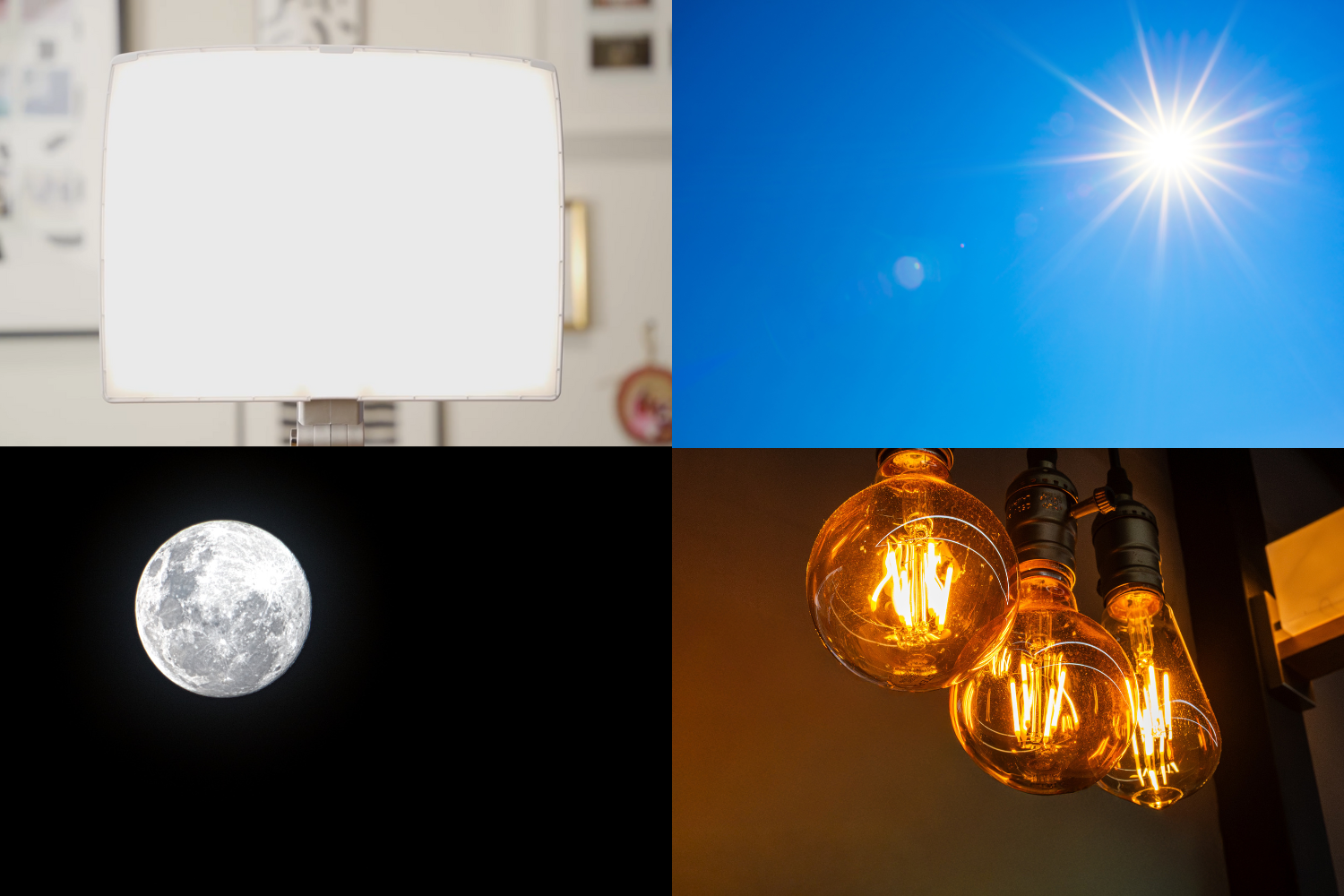
To further understand the LUX brightness scale, it is helpful to learn about common real-world LUX levels, as listed below.
- Moonlight: 0.1 LUX
- Typical Home Lighting: 50-150 LUX
- Well-lit Office: 300-500 LUX
- Operating rooms: 1000-1500 LUX
- Overcast Day (Outdoor): 1,000 LUX
- Full Daylight (Outdoor): 10,000 LUX or more
The LUX level of common light sources varies, with some being higher than others. However, standard home lighting, even with high lumens, cannot achieve the intensity needed for effective light therapy. This is because standard lamps are designed to distribute light evenly throughout a room.
The intensity of the light drops significantly as you move away from the source. For instance, a 1000-lumen bulb may only produce 50 LUX on your desk, which would be insufficient for therapeutic use.
Why 10,000 LUX is the Magic Number for Light Therapy
LUX plays a critical role in the effectiveness of bright light therapy for depression and circadian rhythm disorders.
The Scientific Basis
Researchers have concluded that 10,000 LUX is the scientifically established gold standard for treating various conditions, such as:
- Seasonal affective disorder (SAD)
- And non-seasonal depression.
For example, a 2024 article analyzed 21 randomized controlled trials involving 1037 participants with SAD. Researchers concluded that bright light therapy at 10,000 LUX is a promising non-pharmaceutical treatment for SAD. The meta-analysis concluded that study participants showed significant improvements in depressive mood symptoms compared to the placebo group.
The consensus among experts is that the therapeutic dose for light therapy is 10,000 LUX. For instance, according to the Mayo Clinic, exposure to 10,000 LUX is recommended for therapeutic benefits.
How it Works
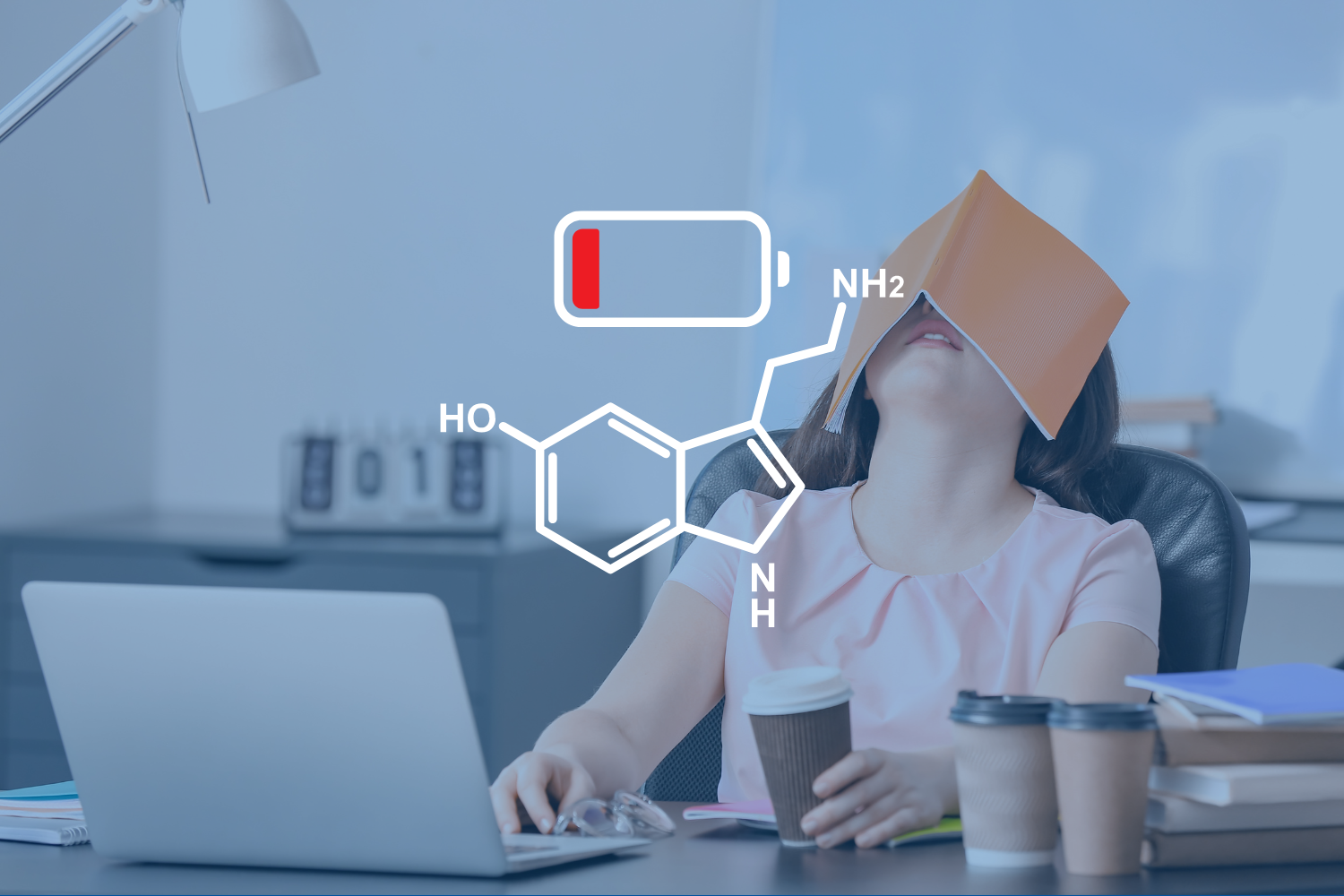
A light intensity of 10,000 LUX is needed to stimulate the retina. This LUX level triggers a neurochemical response in the brain that regulates key hormones, including serotonin and melatonin. These critical hormones regulate mood and the sleep-wake cycle. If the LUX levels are too low, the chemical response does not occur, and hormone production is limited.
How to Measure and Achieve Proper LUX Levels
Learning how to measure proper LUX levels is essential for ensuring you receive the therapeutic dose of light therapy.
The LUX Meter
A LUX meter is a device that can measure the LUX level. The devices have a light sensor that detects the intensity of the light. Many LUX meters are handheld, portable, and easy to use.
To use:
- UV filtration
- Flicker-free light
- Adjustable light and angle features
- Medical-grade certifications
You can also use a smartphone LUX meter app to estimate LUX levels in your environment.
Distance is Key
Remember that the distance you are from the light source affects the LUX level. LUX decreases significantly with distance. For example, a 10,000 LUX-rated lamp may only provide that intensity at a certain distance (such as 12" to 16" away).
It is essential to follow the manufacturer's recommendations for the distance from the light to achieve 10,000 LUX. If you are further away from the light source, you may need a longer treatment time since LUX level is lower.
The 10,000 LUX Challenge
Check your current light sources to determine the LUX levels in your environment. This process helps you understand the significance of a 10,000-LUX lamp and how it differs from standard lighting.
Putting It All Together: The Day-Lights.com Difference
LUX level is a critical factor in getting a therapeutic dose for light therapy. LUX level refers to the amount of light that falls on a specific surface. Lumens refer to the total amount of light emitted from the source.
LUX levels of 10,000 are required to stimulate the retina and promote the production of hormones, including serotonin and melatonin. Both are critical for mood regulation and the sleep-wake cycle. However, LUX depends on the beam angle and distance from the light source.
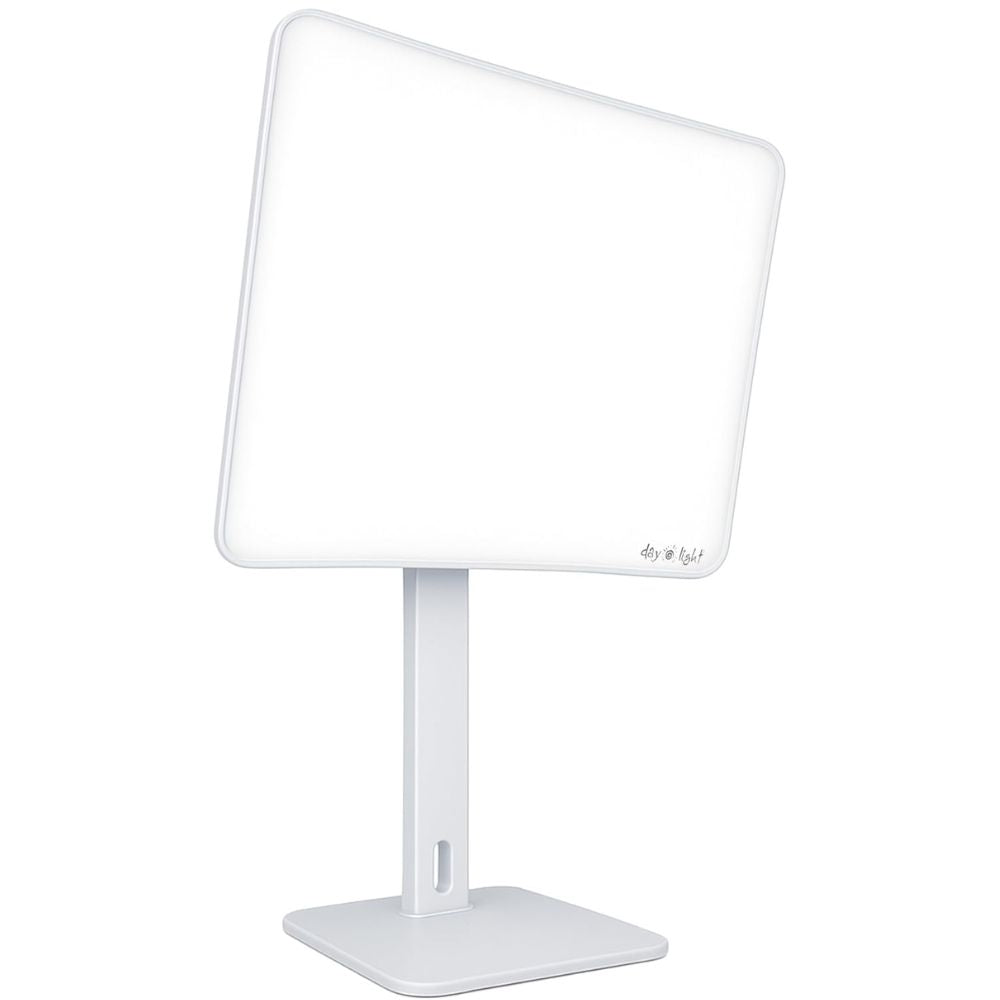
Products at Day-lights.com are scientifically designed to deliver a therapeutic intensity of 10,000 LUX. Our products have been utilized in numerous clinical studies and are supported by scientific evidence.
Our Commitment to Therapeutic Grade Light
Selecting the right lamp for bright light therapy is critical for optimal results. With 30 years of experience, our lights are clinical grade and offer features, such as:
- UV filtration
- Flicker-free light
- Adjustable light and angle features
- Medical-grade certifications
If you want to improve sleep quality or mood, appropriate lighting and bright light therapy can offer non-drug options for enhancing health and well-being.




Leave a comment
All comments are moderated before being published.
This site is protected by hCaptcha and the hCaptcha Privacy Policy and Terms of Service apply.