
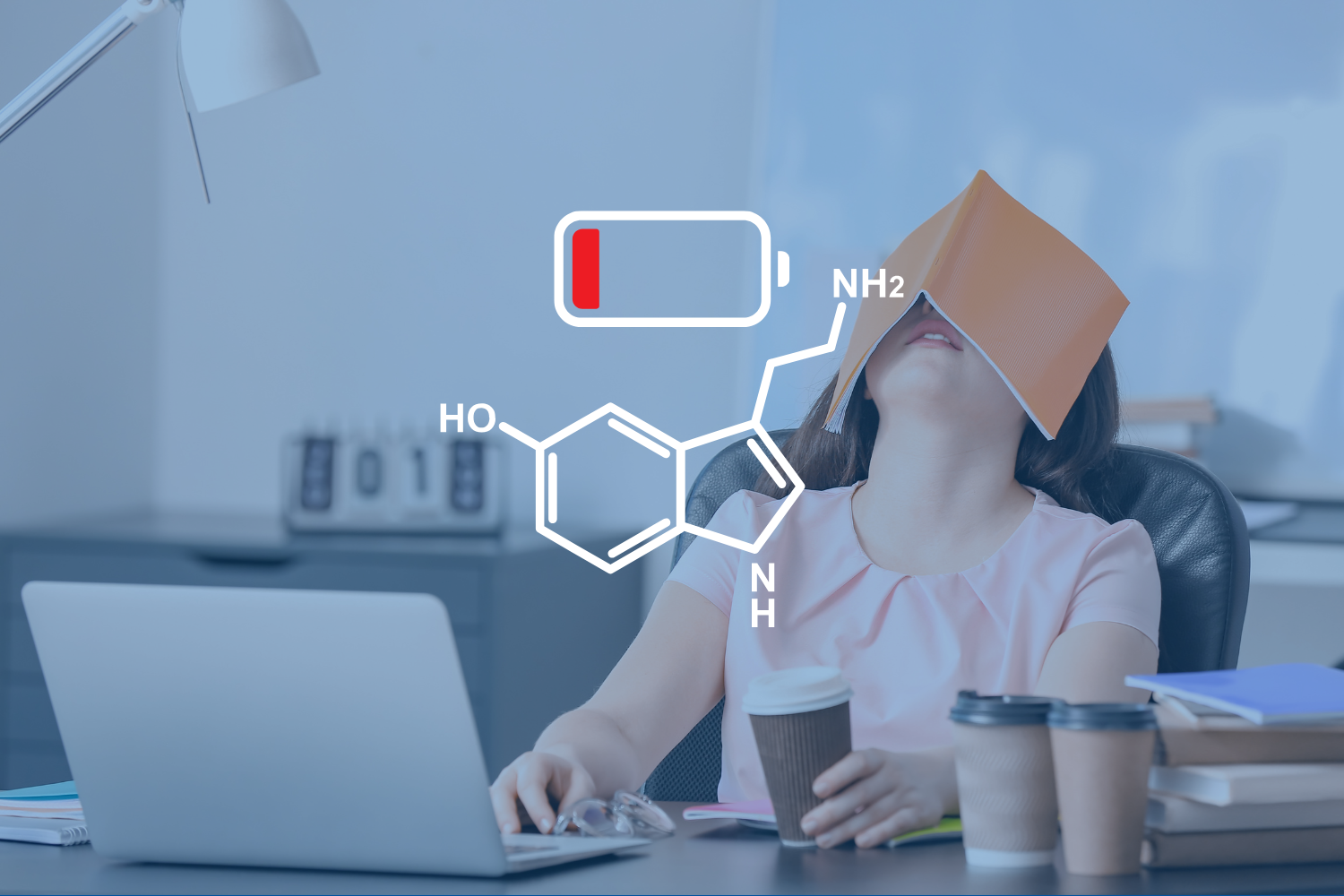
Have you noticed that you're not feeling quite like yourself? Maybe you're in a persistent funk, feeling irritable, or have low energy. While moods come and go, persistently feeling slightly "off" may be due to decreased serotonin.
Serotonin is a key hormone and neurotransmitter that plays a vital role in our:
- Mood
- Sleep, happiness
- And overall well-being.
Your body uses serotonin to send signals between nerve cells throughout your body. The signals affect functions, such as your energy, sleep, and mood. When serotonin levels are too low, it can negatively affect mood.
Determining a true deficiency is difficult. Blood tests measure serotonin in the blood, not the brain, because the blood-brain barrier blocks accurate measurement of serotonin in the brain.
Still, researchers theorize that low serotonin levels are linked to a wide range of physical and mental health symptoms.
The article below discusses serotonin deficiency, including the symptoms and natural ways to boost your levels. However, the content below is provided for informational purposes only and should not be used as a substitute for professional medical advice.
What is Serotonin Deficiency? Unpacking the "Chemical Imbalance" Theory
The common understanding of serotonin is that it helps regulate moods and functions in the brain through its receptors. When serotonin levels are low (or serotonin receptors aren't functioning properly), the complex signals to the central nervous system are disrupted. This can influence:
- Mood
- Sleep-wake cycles
- And digestion.
However, the function of serotonin in the body is complex. Determining whether a serotonin deficiency or something else is causing a specific set of symptoms can be challenging, especially without a direct test for brain serotonin levels.
Additionally, there is no single test to measure the brain's serotonin levels. This makes it difficult to determine if a deficiency exists.
More recent scientific perspectives challenge the chemical imbalance theory of depression and serotonin's role.
A 2022 study highlighted that the link between serotonin and depression is more complex than thought. It reviewed 17 studies on serotonin and depression.
Researchers continue to learn that the relationship between serotonin and depression is more nuanced. Serotonin appears to affect:
- Stress levels
- Pain perception
- And anger.
All of which can also play a role in the development of mood disorders. According to the World Health Organization, depression likely results from a complex interaction of psychological, biological, and social factors.
How to Know if You Have Low Serotonin: Common Symptoms to Look For
You might wonder how to know if you have low serotonin levels. There are common symptoms to look for, which include both emotional, mental, and physical symptoms, such as the following:
Emotional and Mental Symptoms
Serotonin appears to bind to specific receptors in the brain that influence mood. Low serotonin levels can lead to symptoms that affect your overall mental health, mood, and emotional well-being. Possible emotional and mental symptoms include:
- Depression and persistent low mood
- Chronic anxiety or panic attacks
- Irritability and aggression
- Social withdrawal and lack of motivation
- Brain fog, memory issues, or a sense of "emotional numbness"
- Obsessive-compulsive thoughts
Physical Symptoms
Serotonin deficiency can also impact various bodily systems, including sleep, digestion, and the nervous system. Physical symptoms may include:
- Chronic fatigue, even with adequate sleep: Serotonin may affect appetite, mood, and sleep, affecting your energy level.
- Disrupted sleep patterns: Serotonin deficiency can disrupt the sleep-wake cycle and lead to sleep disturbances. This may include oversleeping or insomnia.
- Carbohydrate cravings and weight gain: Low serotonin can affect appetite and may lead to overeating.
- Digestive issues, such as irritable bowel syndrome (IBS): Serotonin affects the communication between your brain and gut and can lead to problems, such as IBS. Serotonin may also affect how fast food moves through your system. It can also affect the amount of fluid secreted in your intestines and your sensitivity to intestinal pain.
- Chronic pain: Serotonin deficiency may contribute to your pain perception, increasing conditions such as fibromyalgia, which cause chronic pain.
- Headaches and migraines: Low serotonin may lead to blood vessel dilation and inflammation in the brain. Both of which can subsequently cause migraines or headaches.
What Causes Low Serotonin? Exploring the Root Factors
Various factors may contribute to low serotonin levels. In some cases, multiple things combined lead to serotonin deficiency. Possible causes of low serotonin include:
Nutritional Deficiencies
A deficiency in key nutrients, such as:
- Vitamin D
- Omega-3 fatty acids
- And tryptophan may affect the level of serotonin produced.
Tryptophan is the amino acid that is the precursor to serotonin. A two-step physiological process converts tryptophan into serotonin. Vitamin D and omega-3 fatty acids also influence the production, release, and receptor function of serotonin.
The Role of Lifestyle and Environment
Your lifestyle and environment may also affect serotonin levels. Possible factors include those listed below.
- Lack of Sunlight: When sunlight hits the retina, it sends signals to a part of the brain that triggers the production of serotonin. Without adequate sunlight, serotonin production may decline.
- Chronic Stress: Chronic stress can lead to the release of the hormone cortisol. Cortisol can reduce serotonin production and also speed up its breakdown.
- Lack of Exercise: A lack of exercise may decrease the availability of tryptophan, a precursor needed for serotonin synthesis. Exercise may naturally boost serotonin levels.
Genetic and Gut Health Factors
Researchers continue to learn how your gut microbiome may impact your overall health, including the production of serotonin. The gut-brain axis refers to the communication between your gastrointestinal tract and your brain. It includes complex physiological actions that suggest a healthy gut microbiome appears to affect:
- The production of serotonin
- And its release by the gut cells.
As with many medical issues, individual genetics may also affect serotonin receptor efficiency. Genetics may affect the genes responsible for the production, transport, and reception of serotonin in the brain. These individual genetic differences may affect levels of serotonin.
How to Treat Serotonin Deficiency: Natural & Professional Solutions
There are several ways to treat serotonin deficiency, including both natural solutions and medical options.
Professional Treatment
When considering how to treat serotonin deficiency, the first step is to consult a healthcare professional for guidance. Guidance from a physician is crucial in determining the most appropriate treatment for your specific situation.
Professional treatment may include antidepressants such as selective serotonin reuptake inhibitors (SSRIs). This classification of medication works by helping the body utilize serotonin more effectively, rather than directly increasing it.
"SSRIs promote neuroplasticity, which is your brain's ability to adapt and change, restoring normal behavior circuits for mood," said Dr. Andrew Novick, assistant professor of Psychiatry at the University of Colorado School of Medicine.
SSRIs are one tool to combat serotonin deficiency. However, additional lifestyle factors can also help naturally boost levels.
Evidence-Based Natural Methods
There are several evidence-based natural ways to boost serotonin. Using a combination of natural methods may be your best approach. Natural methods include:
Light Therapy
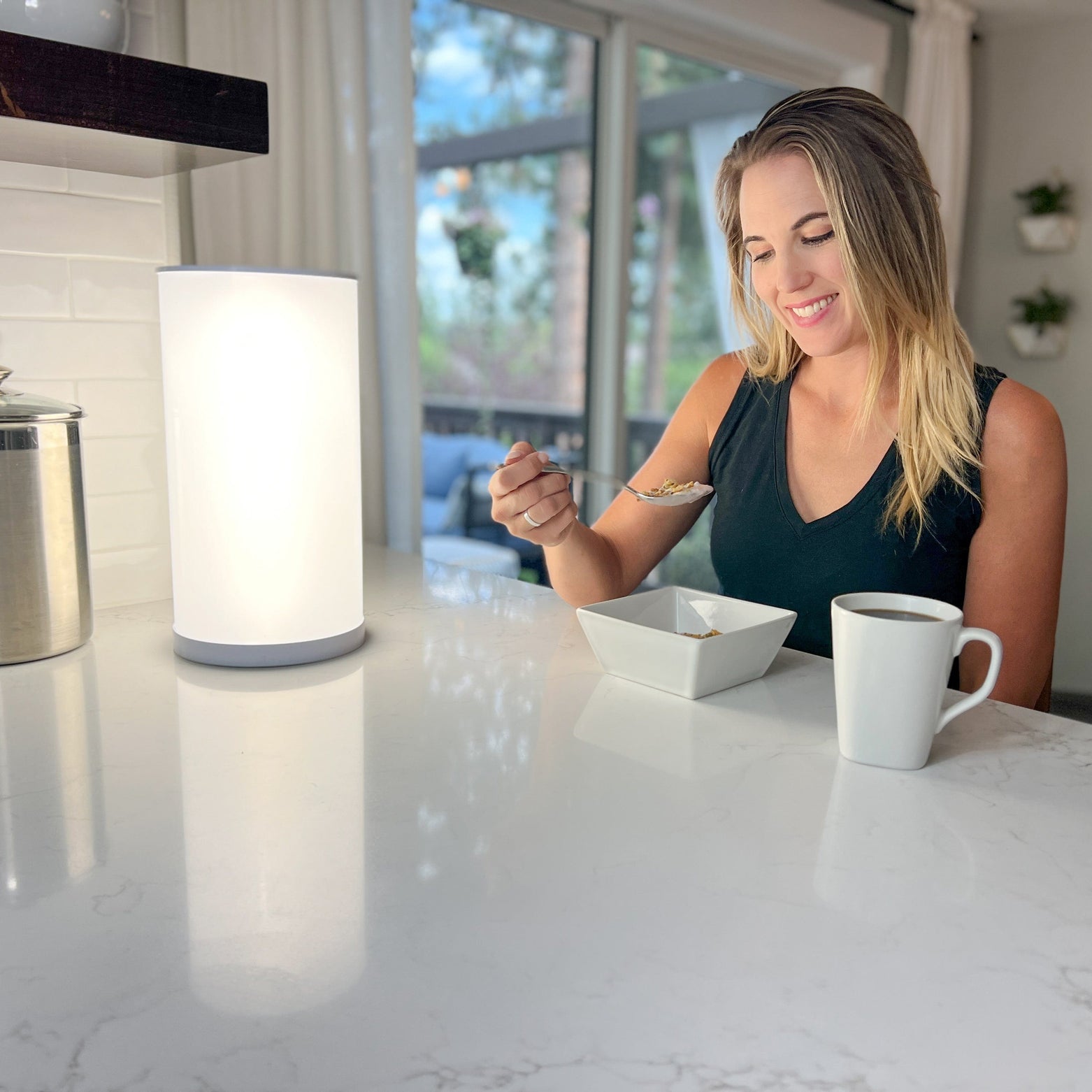
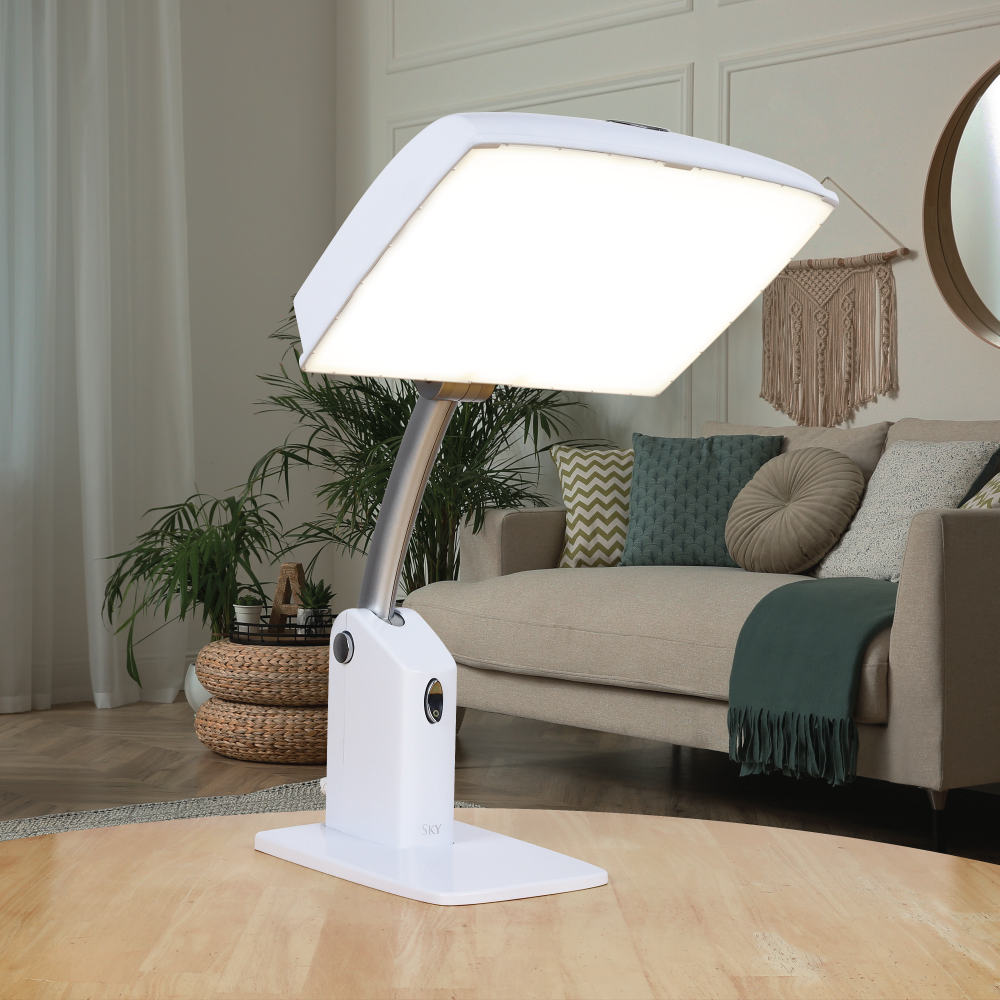
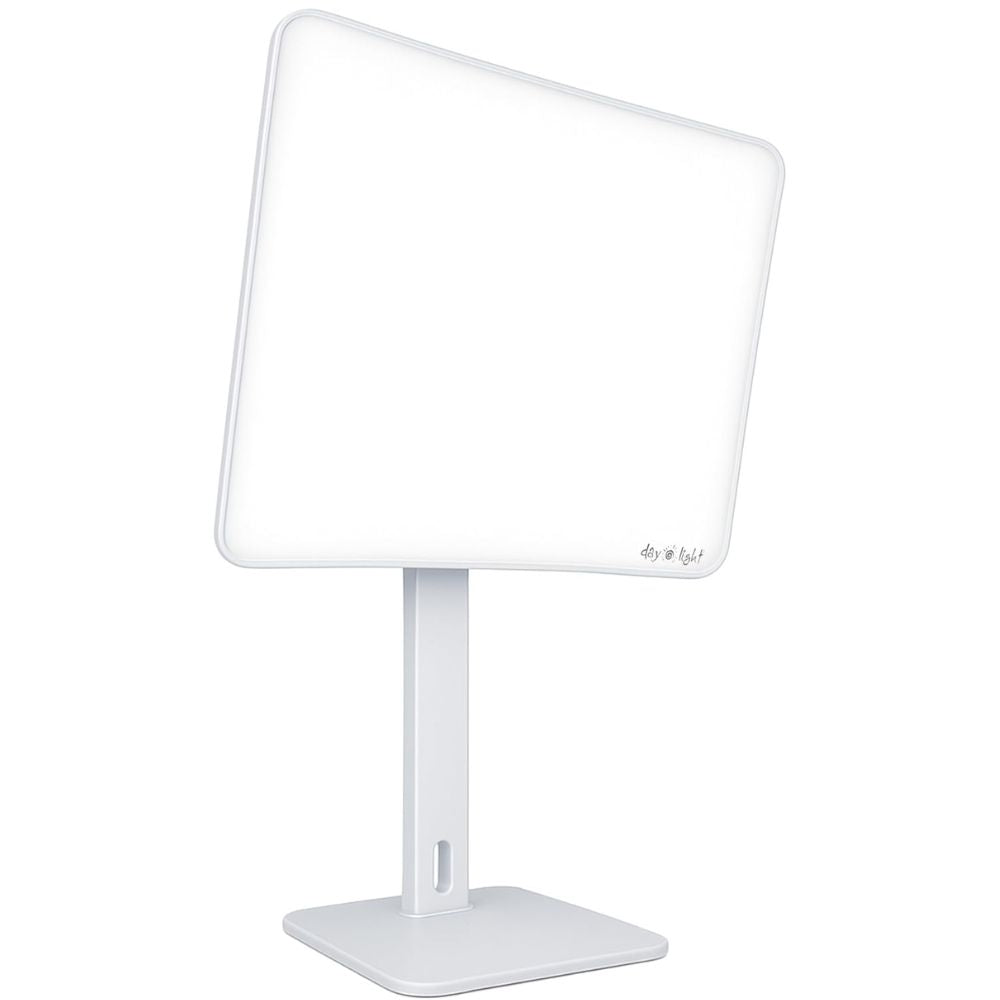
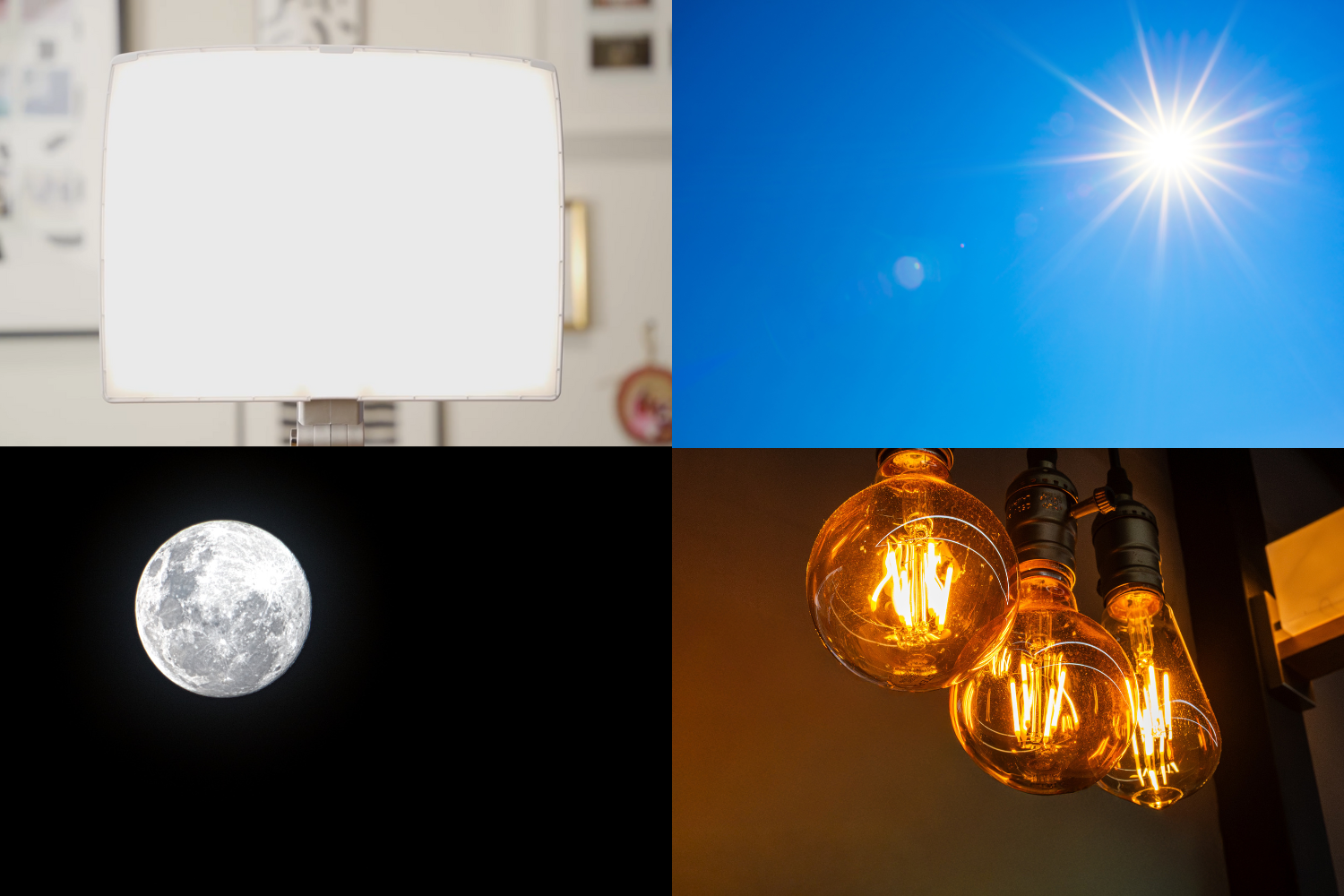
Exposure to light therapy can help regulate circadian rhythms and naturally boost serotonin levels. Light therapy lamps may be especially helpful in low-light environments. According to the American Psychiatric Association, recent studies have indicated that bright light therapy was associated with a 41% remission rate in people with non-seasonal depression. When using bright light therapy, ensure you select a high-quality device with the necessary capabilities.
Dietary Changes
Since the first step in serotonin production is the uptake of tryptophan, making dietary changes may be beneficial. For example, consider incorporating tryptophan-rich foods, such as eggs, cheese, turkey, and nuts, into your diet. Include foods rich in omega-3 fatty acids, such as walnuts, edamame, and salmon.
Regular exercise
Regular exercise can have both mental and physical benefits, including increased levels of dopamine and serotonin. Physical activity can also help promote better sleep and alleviate fatigue, positively impacting one's mood.
Stress Reduction
Stress reduction techniques can help improve sleep and reduce cortisol levels. Both sleep deprivation and chronic stress can lower serotonin. Consider stress reduction practices such as meditation, mindfulness, and yoga.
Supplements
Certain supplements may help increase serotonin. For instance, St John's Wort may also help increase serotonin levels by preventing its reabsorption by the neurons. This may allow more serotonin to stay in the brain.
Another supplement, 5-hydroxytryptophan (5-HTP), is an amino acid produced from tryptophan. By increasing levels of 5-HTP, it may help raise serotonin levels.
However, it is crucial to consult with a doctor before using any supplements due to the potential side effects.
Conclusion
Serotonin is an essential hormone and neurotransmitter that plays a crucial role in regulating mood, digestion, and sleep. Determining serotonin deficiency is a complex process that involves evaluating symptoms.
Increasing serotonin levels requires a comprehensive approach for optimal results. Because serotonin plays a vital role in your overall health, managing levels is a self-care journey you deserve.
Exploring natural methods to increase serotonin levels and seeking professional help can help you manage low serotonin levels.


Laisser un commentaire
Tous les commentaires sont modérés avant d'être publiés.
Ce site est protégé par hCaptcha, et la Politique de confidentialité et les Conditions de service de hCaptcha s’appliquent.